The number on the scale doesn't tell the whole story
If you knew me growing up, you would know that I was definitely an academic, not an athlete. Exercise was never really my thing. I understood the importance of it, and as a physician, I spent years telling my patients how beneficial it was, but truthfully, it wasn't something I had ever really prioritized for myself.
After my first daughter was born, I was fortunate that most of my pregnancy weight came off relatively quickly. I had gained about 25 pounds, and after breastfeeding for a year, I was left with maybe five extra pounds. Not a big deal, right? Except even though the number on the scale was pretty close to where I had started, my clothes didn't fit the same way. My body was different.
Two and a half years later, I became pregnant with my second daughter. It was a high-risk pregnancy because she wasn't growing as expected, and I actually struggled to gain enough weight. Thankfully, she was born perfectly healthy, just tiny! After another year of breastfeeding, I found myself in a similar situation. Most of the weight was gone, but those last few pounds were hanging around, and this time they were sitting in very different places. Shirts didn't fit, pants wouldn't button, and for the first time in my life, I truly understood something I had been telling patients for years.
The number on the scale doesn't tell the whole story.
My youngest daughter turned one the Saturday before the world shut down for COVID.
That following Monday, I was working in urgent care. We were on track to see 120 patients that day, potentially breaking a clinic record. And then around 11 AM, everything just stopped. We saw maybe four patients the rest of the day. I will never forget how eerie that shift felt.
As a frontline physician during those early months, I was terrified. We knew so little about COVID, and every day I worried about bringing something home that could hurt my husband, my babies, or someone else I loved. The stress was unlike anything I had experienced before, and I desperately needed an outlet.
And that's when I found exercise.
Ironically, I had purchased a Peloton about four years earlier, long before having children, and it had mostly sat there. But suddenly I found myself waking up before my two very early-rising kids, getting on that bike, and riding.
And something happened that I hadn't expected. For those 20 or 30 minutes, my mind finally quieted down.
I was physically exhausting my body, but mentally I felt better than I had in months. Exercise stimulates the release of endorphins and influences neurotransmitters involved in mood and stress regulation. It can also help regulate our body's stress response and improve sleep. All things I knew, all things I had recommended to patients, but now I was actually experiencing them.
For the first time, exercise wasn't about losing those last few pounds. It was about feeling like myself again.
I wish I could tell you that I've been perfectly consistent ever since. And for several years, I actually did pretty well. Once I found something I enjoyed, I genuinely looked forward to it. But recently, between launching my own medical practice, transitioning away from other professional responsibilities, and just trying to keep up with life, I stopped protecting that time for myself.
Which brings me to this morning.
I'm writing this still dripping in sweat, my heart rate finally starting to recover, because about 12 minutes into my workout today, I felt it again. That wave of relief. That feeling of my mind finally settling down, and I remembered just how much I needed this.
And it feels fitting that this happened today, of all days, because today is World Menopause Day. A day meant to get more of us talking about this stage of life, and honestly, I can't think of a better way to spend it than starting with something I know helps.
Why This Matters in Midlife
And here's why I think this matters so much for women in midlife.
As we move through perimenopause and menopause, fluctuating and declining estrogen levels can affect sleep, mood, and our ability to cope with stress. Anxiety can become more prominent, even in women who have never struggled with it before. At the same time, we begin losing muscle mass as we age, and declining estrogen accelerates bone loss around menopause. Strength training becomes increasingly important for preserving muscle, supporting bone health, and maintaining our independence as we get older. Aerobic exercise supports cardiovascular health, and both can have meaningful benefits for our mental well-being.
This year's World Menopause Day theme is chronic pain in midlife, and joint and muscle aches are something so many women notice during this transition. Staying active and keeping our muscles strong is one of the best tools we have there, too.
In other words, the older we get, the more important movement becomes. Not because we need to look a certain way, but because we deserve to feel good in the bodies we're living in.
Now, I'm not telling you that you need to buy a Peloton, wake up at 5 AM, or suddenly become someone who loves running. Trust me, I have tried to become a runner more times than I can count, and I can confidently tell you that I am not one.
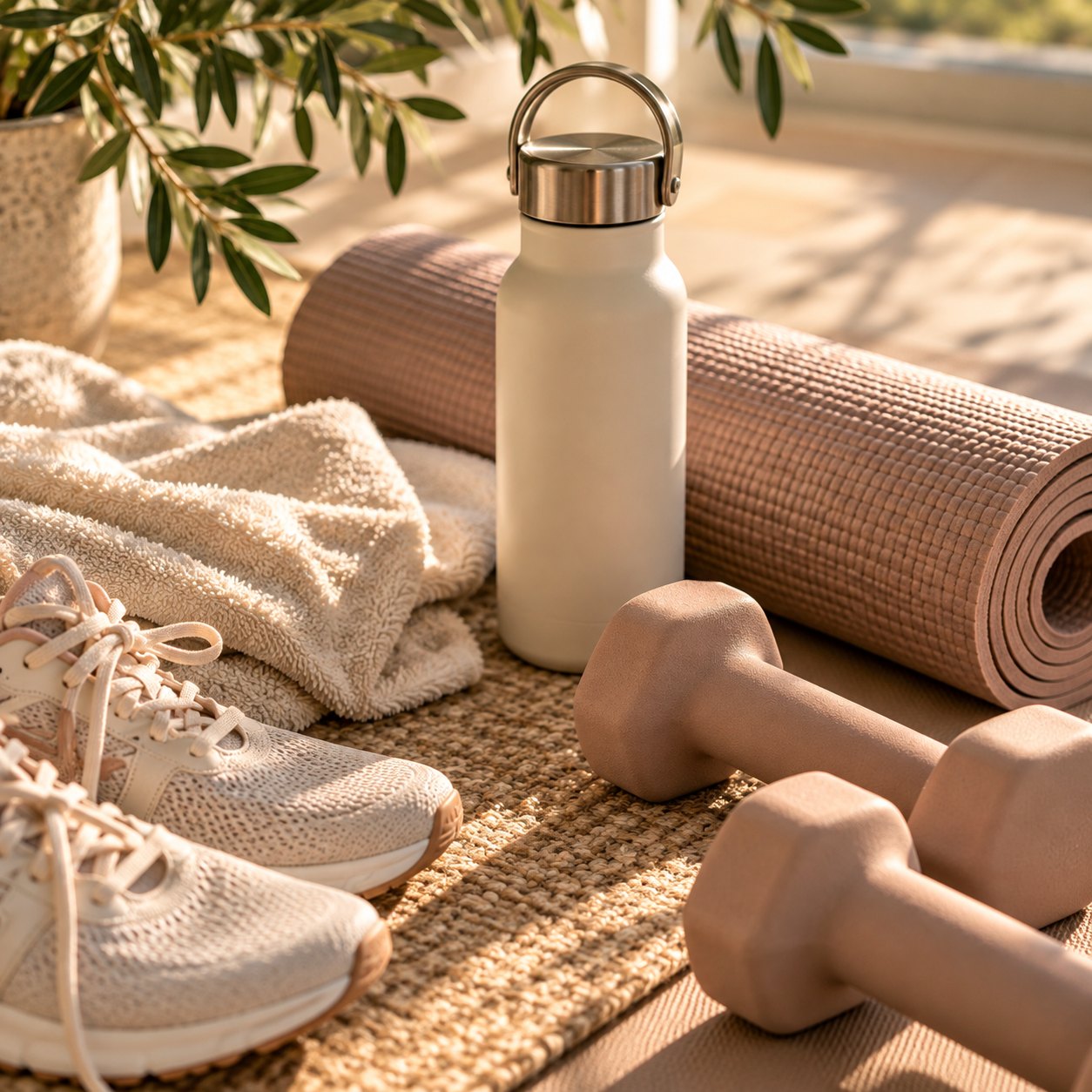
But I do think you need to find something you actually enjoy. For me, that's cycling, strength training, and yoga. For you, it might be walking, swimming, dancing, Pilates, or something you haven't even tried yet. The best workout isn't necessarily the hardest one or the one burning the most calories. It's the one you'll actually want to come back to.
The best workout isn't necessarily the hardest one. It's the one you'll actually want to come back to.
And if you've been feeling overwhelmed, anxious, exhausted, or like you just can't seem to find a moment to yourself, I would encourage you to start somewhere. Even 10 or 15 minutes counts. You don't have to be good at it, and you certainly don't have to be an athlete.
This is also a big part of why I created Axis Precision Health. Yes, we talk about hormones, and yes, hormone therapy can be incredibly helpful for the right patient. But optimizing your health in midlife is about so much more than a prescription. It's about sleep, nutrition, movement, stress, and having someone in your corner who helps you figure out what changes are realistic for your life, and then holds you accountable for actually making them.
I needed that reminder myself today.
So if you've fallen out of a routine, never had one to begin with, or have spent years putting everyone else's needs ahead of your own, consider this your encouragement to start.
It's never too late to become someone who moves her body because of how it makes her feel, not because of what the scale says.
And sometimes, the hardest part really is just getting started.
Want help figuring out what's realistic for your life? Book a complimentary 15-minute Discovery Call and let's talk.
I'm so glad you're here.
Dr. Caravelli
If you know a woman who keeps putting everyone else first and hasn't made time for herself in a while, forward this to her. Send it to your sister, your friend, your mom, the woman who always says she'll start next week.
This blog is for informational and educational purposes only and is not intended to be medical advice, diagnosis, or treatment. Reading this content does not establish a physician-patient relationship. Please consult your own physician or qualified healthcare provider regarding any questions or concerns about your health or treatment options. Never disregard professional medical advice or delay seeking care based on something you have read here.